Understanding the Benefits of M Roof Metal Roofing
Metal roofing has emerged as one of the most coveted choices for residential and commercial buildings alike. Among the various metal roofing options available, M Roof stands out for its unique blend of style, durability, and energy efficiency. This article explores the numerous advantages of metal roofing, helping homeowners make informed choices for their roofing needs.
Why Choose Metal Roofing?
Metal roofing offers a myriad of benefits that traditional roofing materials cannot match. Firstly, metal roofs are significantly lightweight compared to asphalt shingles or tiles, reducing the overall load on the building structure. Additionally, they are highly resistant to elements such as winds, heavy rain, and snow, making them ideal for various climates.
Moreover, metal roofing is known for its aesthetic versatility. Available in a range of colors, textures, and styles, homeowners can choose metal roofing that complements their architectural design. It also offers superior fire resistance, reducing the risk of fire damage.
Longevity and Durability of M Roof
M Roof products are designed to last. Unlike traditional roofing options that may require replacement every 15-20 years, a properly installed metal roof can last up to 50 years or more with minimal maintenance. This exceptional longevity is attributed to the rust-resistant coatings applied to high-quality metal materials, which mitigate the risk of corrosion and wear.
Furthermore, metal roofs can withstand extreme weather conditions, including hail, heavy snowfall, and strong winds. Homeowners can enjoy peace of mind, knowing their roofs are built to last and perform under pressure.
Energy Efficiency Benefits of Metal Roofs
In today’s eco-conscious world, energy efficiency is a top priority for many homeowners. Metal roofs are highly reflective, meaning they can reflect solar radiant heat instead of absorbing it. This characteristic can lead to lower cooling costs during hot months, as it helps maintain a comfortable indoor temperature.
Additionally, many manufacturers offer energy-efficient metal roofing options with special coatings that further enhance their reflective properties, making them an excellent choice for green building initiatives. By choosing an M Roof, homeowners not only save on energy bills but also contribute to a sustainable environment.
Choosing the Right Materials for Your M Roof
Selecting the right materials is crucial when installing a metal roof. Understanding the various options available ensures that homeowners make informed decisions that align with their aesthetic and functional needs.
Types of Metal Used in Roofing
There are several types of metals typically used for roofing, including steel, aluminum, copper, and zinc. Steel is the most commonly used material due to its strength and affordability, while aluminum is lightweight and resistant to corrosion, making it ideal for coastal areas.
Copper offers a unique aesthetic appeal and can last decades, but it is also the most expensive option. Zinc is another durable choice, known for its self-healing properties that can repair minor scratches over time. Each type of metal has its unique benefits, and these should be weighed carefully when selecting the right material for your M Roof.
Understanding Coatings and Finishes
The coating and finish applied to metal roofing significantly affect its longevity and appearance. Popular options include polyester, polyurethane, and silicone coatings, which provide enhanced protection against UV rays and weather conditions.
Finishes not only improve the roof’s aesthetics but also increase its lifespan by protecting against rust and fading. Homeowners should consider their local climate and aesthetic preferences when selecting coatings and finishes for their M Roof.
Eco-Friendly Material Options
As the construction industry shifts towards sustainability, eco-friendly metal roofing options are gaining popularity. Recycled metals, such as steel and aluminum, are often used in manufacturing metal roofs, reducing the environmental impact of roofing installations.
Additionally, many metal roofs are fully recyclable at the end of their life cycle, minimizing waste and promoting a circular economy. Homeowners looking to make sustainable choices should explore these eco-friendly options when considering their M Roof installation.
Professional Installation of M Roof: What to Expect
Proper installation of a metal roof is key to maximizing its benefits. Understanding the installation process can help homeowners work effectively with contractors to ensure a successful roofing project.
Steps in the Installation Process
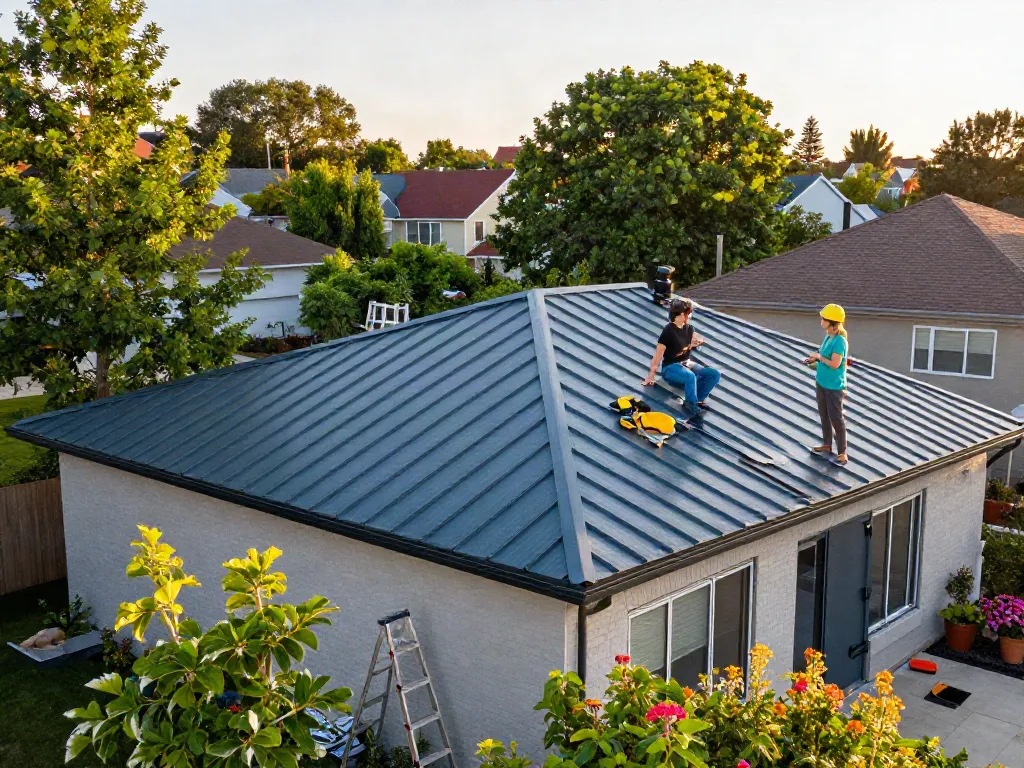
The installation of an M Roof typically begins with a thorough assessment of the existing roof and structural integrity. After deciding on the materials and design, the old roofing material, if present, is removed. The new metal roofing is then installed, usually starting from the lower edges and working upwards. Each panel is carefully aligned and secured to prevent leaks and ensure proper ventilation.
Finally, finishing touches such as flashing, ridge caps, and gutters are installed to enhance functionality and aesthetics. The entire process may vary depending on the roof’s complexity, but skilled contractors ensure that every step is executed flawlessly.
Finding Certified Roofing Contractors
When searching for roofing contractors, it is crucial to choose professionals with experience in metal roofing installations. Look for contractors certified by recognized organizations and those who provide warranties on their work. Customer reviews and references can also offer valuable insights into the contractor's reliability and quality of service.
Common Installation Mistakes to Avoid
Even experienced contractors can make mistakes during installation, which can have long-lasting consequences. Common errors include improper panel alignment, inadequate fastening techniques, and neglecting ventilation needs. Homeowners should ensure that their chosen contractor adheres to best practices to avoid these complications.
Maintenance Tips for Your M Roof
Once an M Roof is installed, regular maintenance is essential to prolong its lifespan and maintain its appearance. Implementing a consistent maintenance routine can help homeowners avoid costly repairs in the future.
Regular Inspection Guidelines
Homeowners should schedule regular inspections of their metal roofs at least twice a year, preferably in the spring and fall. During inspections, check for loose seams, rust spots, and debris accumulation. Early detection of issues can prevent minor problems from escalating into major repairs.
Cleaning and Upkeep Best Practices
To keep a metal roof looking its best, routine cleaning is recommended. Use a soft-bristle brush or a low-pressure washer to remove any dirt, leaves, or moss buildup. Avoid using abrasive materials that could scratch the surface. Additionally, keep gutters clear to ensure proper drainage.
When to Seek Professional Help
While regular maintenance can be handled by homeowners, professional help is recommended when dealing with significant repairs or when extensive rust or damage is detected. Certified roofing professionals can assess the roof's condition and execute repairs safely and effectively.
Future Trends in Metal Roofing
The roofing industry is continuously evolving, with new technologies and trends emerging that enhance the performance and aesthetics of metal roofs. Staying informed about these trends can help homeowners leverage these advancements for their M Roof.
Innovations in M Roof Technology
Recent advancements in metal roofing technology have led to the development of lighter, more durable materials, as well as improved coatings that enhance energy efficiency. Additionally, some manufacturers are now integrating solar panel technology into metal roofing systems, allowing homeowners to generate renewable energy right from their roofs.
Predicting Market Trends for 2026
As we approach 2026, the preference for metal roofs is expected to increase due to growing awareness of sustainability and energy efficiency. Trends indicate a rise in the use of cool roofing materials, which can significantly reduce building energy costs while contributing to a greener environment.
Sustainability in Roofing: What’s Next?
With the construction industry's focus on sustainability, metal roofs will likely play a pivotal role in eco-friendly building practices. Increased use of recycled materials and energy-efficient technologies will ensure that metal roofing remains a leading choice for environmentally conscious homeowners.
How to Maximize Your M Roof Investment?
To maximize the investment in an M Roof, homeowners should adhere to regular maintenance schedules, select high-quality materials, and work with certified contractors for installation and repairs. This proactive approach not only prolongs the roof's life but also enhances its overall performance and value.
Creating a Roof Replacement Budget?
Budgeting for a roof replacement can be daunting, but careful planning can ease the process. Consider factors such as material costs, labor, and potential additional expenses like old roof removal or repairs to the underlying structure. Setting aside a contingency fund for unexpected costs can also help manage finances effectively.
Are metal roofs worth the investment?
Ultimately, the value of a metal roof depends on various factors, including longevity, energy efficiency, and aesthetic appeal. While the initial investment may be higher than traditional roofing materials, the long-term savings in maintenance and energy costs often outweigh the upfront expenses. For many homeowners, the benefits of choosing an M Roof make it a worthwhile investment.